






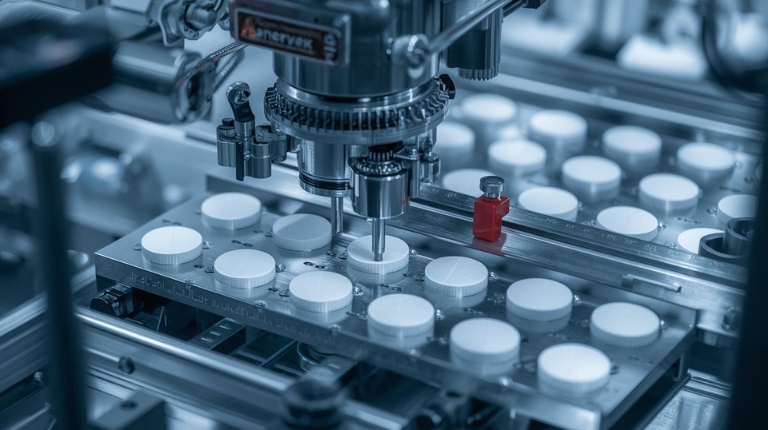
Consistency is non-negotiable in pharmaceutical manufacturing. Every tablet leaving the production line must meet strict quality, safety, and regulatory benchmarks. That expectation places significant pressure on equipment performance. What Makes a Tablet Compression System Reliable for Daily Pharmaceutical Use is not just a technical discussion, it’s a business-critical consideration that affects output stability, compliance, and long-term operating costs.
A reliable tablet compression system supports uninterrupted production while maintaining uniform tablet weight, hardness, and appearance. Reliability, however, is not defined by one feature. It is the combined result of mechanical design, control precision, material compatibility, and service readiness.
Engineering Design That Supports Continuous Operation
A tablet compression system used daily must be engineered for endurance. Robust frame construction minimizes vibration, which directly affects compression accuracy. Precision-machined components ensure alignment between punches and dies, reducing wear and preventing tablet defects.
After establishing the structural foundation, manufacturers must consider system balance. Smooth mechanical motion lowers stress on parts and improves lifespan. This design stability contributes to predictable output, even during extended production runs.
Material Selection and Component Durability
Reliability starts with material choice. Contact parts manufactured from pharmaceutical-grade stainless steel resist corrosion and contamination. Hardened tooling components reduce deformation over time, maintaining compression consistency.
Between tooling cycles, surface finish quality plays a role. Polished contact areas reduce powder adhesion, lowering cleaning frequency and preventing batch variability. These details matter more than they appear.
Precision Control and Compression Accuracy
Daily pharmaceutical use demands repeatable compression force. Systems equipped with advanced control mechanisms allow operators to maintain precise pressure levels across high-speed production.
Before automation takes over, there must be a clear feedback loop. Sensors that monitor compression force, tablet thickness, and weight provide real-time data. That data supports corrective action before deviations escalate.
Automation Without Over-Complexity
Automation enhances reliability only when it simplifies operation. Intuitive interfaces reduce operator error and speed up training. When adjustments are quick and traceable, downtime drops.
A reliable tablet compression system balances automation with accessibility. Overly complex systems can increase dependency on specialized technicians, which affects production continuity.
Maintenance Accessibility and Service Readiness
Maintenance efficiency is a defining reliability factor. Systems designed with easy access panels and modular components shorten service windows. That design approach supports preventive maintenance without halting production for extended periods.
Clear documentation and readily available spare parts further reinforce reliability. Equipment that cannot be serviced quickly becomes a liability, regardless of performance specifications.
Cleaning and Changeover Efficiency
Daily-use equipment must support frequent cleaning. Smooth surfaces, minimal crevices, and tool-less disassembly reduce turnaround time between batches. Faster changeovers directly improve production planning accuracy.
Compliance and Validation Support
Pharmaceutical environments operate under strict regulatory oversight. Reliable tablet compression systems are designed with validation in mind. Audit-ready data logs, consistent performance metrics, and documented calibration processes simplify compliance efforts.
When compliance becomes routine rather than reactive, reliability shifts from expectation to standard practice.
Reliability as a Long-Term Advantage
Ultimately, What Makes a Tablet Compression System Reliable for Daily Pharmaceutical Use comes down to predictability. Systems that perform consistently reduce waste, protect timelines, and support brand credibility. Reliability is not a feature upgrade. It’s an operational strategy.
For equipment assessments or system upgrades, reach out through the contact page or call the number listed on the website to discuss production requirements with an expert team.